Heights Streetcar Suburb
Houston Heights
Explore Houston's first planned suburb along Heights Boulevard, with Queen Anne cottages, a Mission Revival firehouse, and the wide esplanades that once carried the streetcar.
2 stops · 1 mi
Live location (optional)
Walking the route? Turn this on for step by step directions to the next stop. Your location stays on your device.
- 1
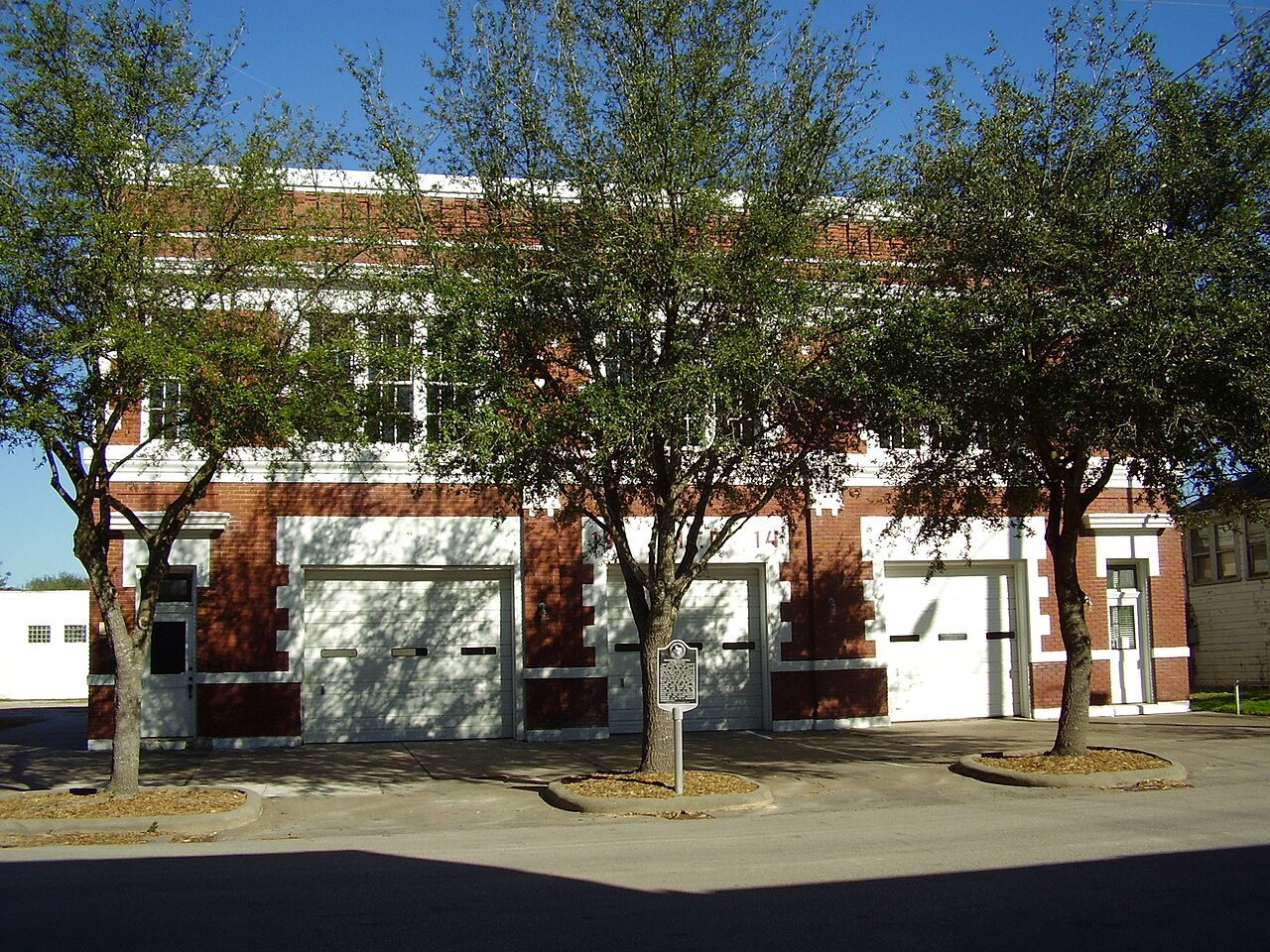
1898 · Queen Anne Victorian
Milroy House on Heights Boulevard
- NRHP
Built in 1898, the Milroy House is one of the earliest surviving Queen Anne Victorian residences along Heights Boulevard, the grand esplanade at the center of Houston Heights, a streetcar suburb developed beginning in 1891 by real estate investor Oscar Martin Carter and the Omaha and South Texas Land Company. Heights Boulevard was designed with a wide, tree-lined median intended to showcase the neighborhood's finest homes to prospective buyers arriving by streetcar from downtown Houston. The Milroy House's wraparound porch, decorative turret, and ornamental woodwork exemplify the late-Victorian architectural vocabulary that once characterized much of the boulevard before later demolitions and infill construction altered its streetscape. It remains a well preserved example of the residential architecture that defined Houston's earliest planned suburban development.
Open profile & chat → - 2
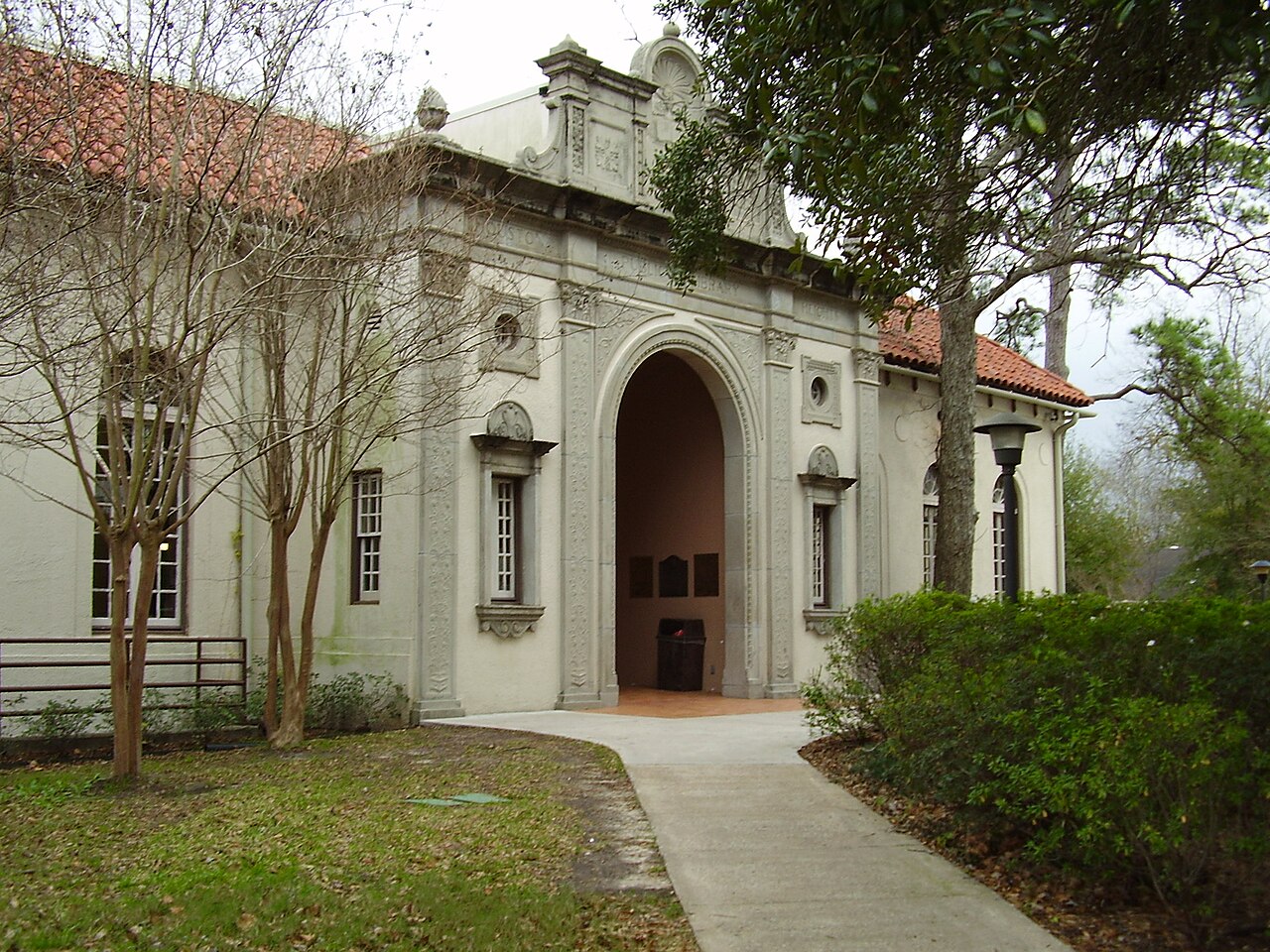
1926 · Mission Revival
Heights Fire Station No. 14
- City Landmark
Built in 1926 in the Mission Revival style, Heights Fire Station No. 14 is a small stucco firehouse with a red tile roof that served the streetcar suburb of Houston Heights during its early twentieth century growth. Houston Heights was developed in the 1890s as one of the first planned communities in the Houston area, and its civic buildings, including this fire station, reflect the Mission Revival aesthetic popular for public architecture in 1920s Texas neighborhoods. The station remained in active fire service for decades before its later conversion into a community hall, allowing it to continue serving neighborhood civic functions. Its modest scale and decorative stucco detailing distinguish it from downtown's larger commercial buildings, preserving a distinctly residential neighborhood character within Houston's broader collection of historic landmarks.
Open profile & chat →