Third Ward Folk Art & Grassroots Preservation
Third Ward
A compact walk through Houston's most influential grassroots preservation district, from the shotgun houses Rick Lowe turned into Project Row Houses to the Eldorado Ballroom stage and the 1926 Houston Negro Hospital.
3 stops · 1.1 mi
Live location (optional)
Walking the route? Turn this on for step by step directions to the next stop. Your location stays on your device.
- 1
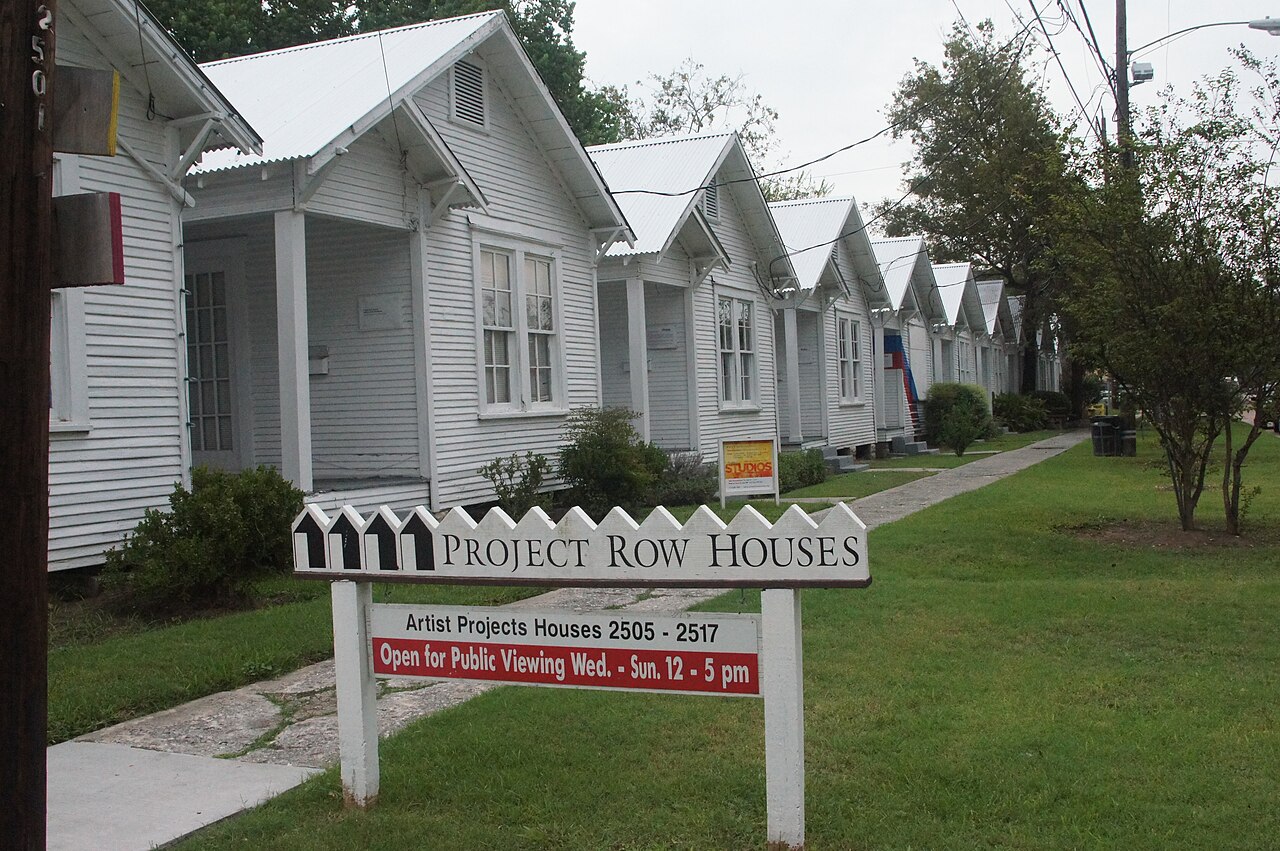
1930 · Shotgun house vernacular
Project Row Houses
- Locally Recognized
Founded in 1993 by artist Rick Lowe along with a group of fellow artists, Project Row Houses transformed a block of 22 historic shotgun houses dating to around 1930 in Houston's Third Ward into an art and social engagement complex combining artist residencies, community programming, and support services for young mothers. The shotgun house, a narrow vernacular residential form with deep roots in African American communities across the American South, had long characterized the working class Third Ward neighborhood, and Lowe's project sought to preserve this architectural heritage while addressing contemporary community needs. Project Row Houses has since expanded into a broader nonprofit encompassing dozens of properties and is recognized nationally and internationally as a pioneering model for preservation based community development, influencing similar art and social practice projects across the United States.
Open profile & chat → - 2
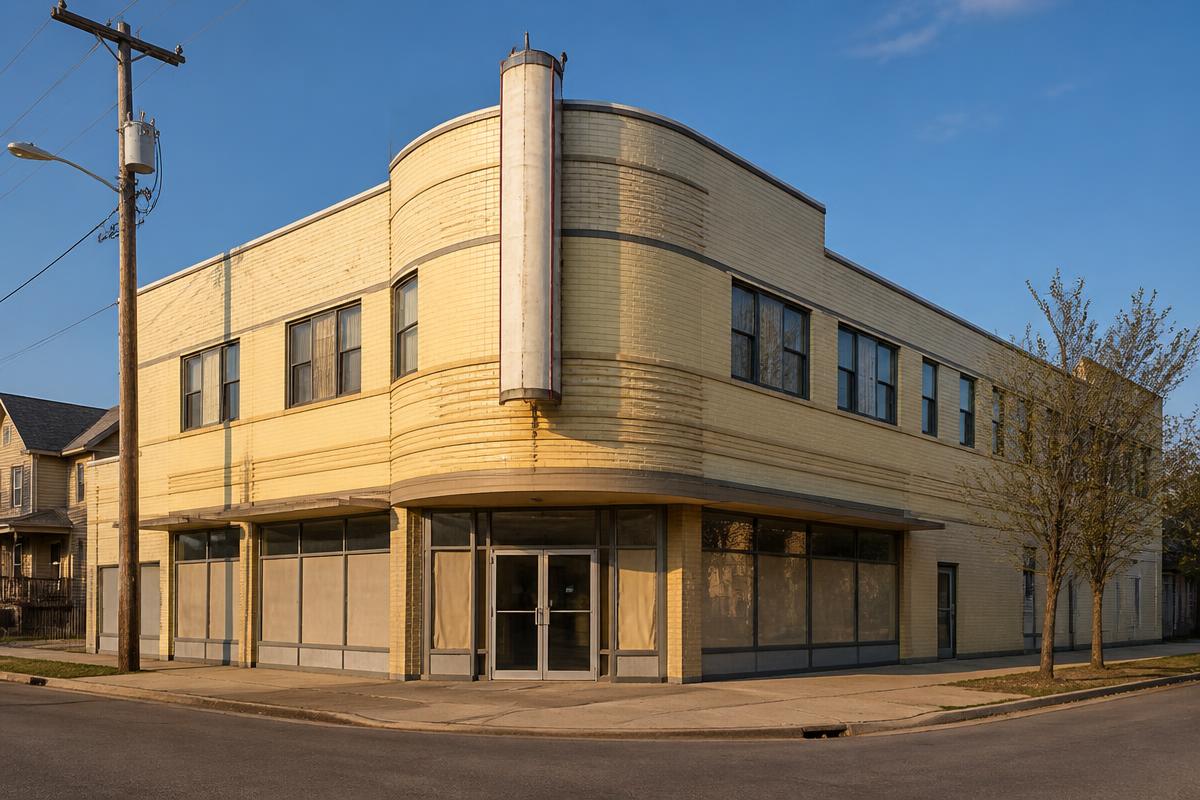 AI illustration
1939 · Streamline Moderne
Eldorado Ballroom
- City Landmark
Opened in 1939 and designed by architect Lenard Gabert in the Streamline Moderne style, the Eldorado Ballroom in Houston's Third Ward became known as the home of happy feet, serving as the premier Black entertainment venue in segregated Houston. Its stage hosted legendary performers including Duke Ellington, B.B. King, Etta James, and Ray Charles, making it a central hub of the Chitlin Circuit that gave Black musicians performance opportunities during the era of Jim Crow segregation. The ballroom fell into disuse and disrepair for decades following the decline of the surrounding commercial district, but it was rescued and restored in 2003 by Project Row Houses, the acclaimed community arts organization founded in the same Third Ward neighborhood. Its restoration preserved a vital piece of Houston's African American cultural and musical heritage.
Open profile & chat → - 3
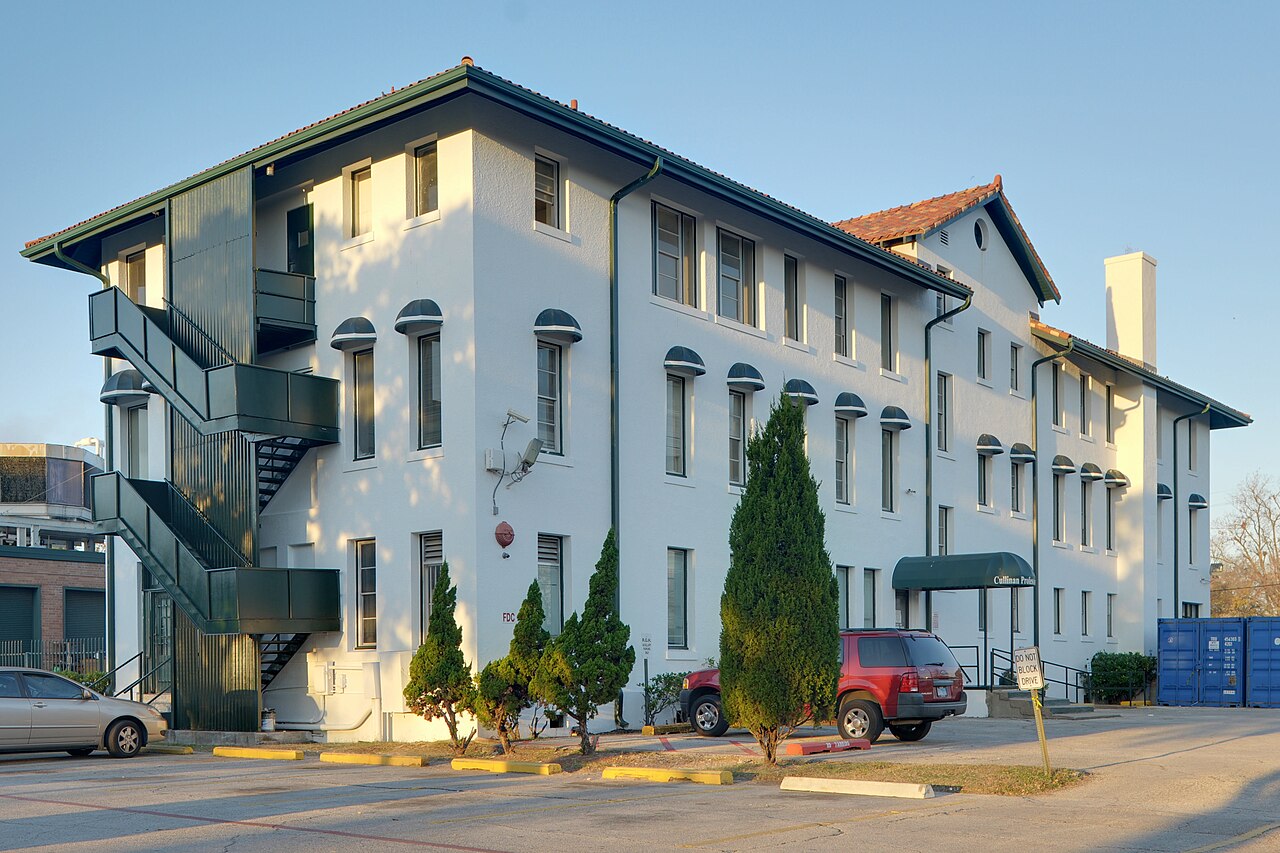
1926 · Georgian Revival
Houston Negro Hospital (Riverside General)
- NRHP
Opened in 1926 and designed by architect Alfred C. Finn in the Georgian Revival style, the Houston Negro Hospital was funded by oil pioneer and philanthropist Joseph Cullinan to become the first hospital in Houston to provide medical care to African American patients and to train Black physicians and nurses during the era of segregated medical care. The hospital filled a critical gap in Houston's segregated healthcare system, offering services and professional training opportunities otherwise denied to Black medical professionals and patients at the city's other hospitals. It later became known as Riverside General Hospital and continued serving the surrounding historically Black Riverside Terrace and Third Ward communities for decades. The building stands as a significant landmark in the history of African American medicine and civil rights era healthcare access in Houston.
Open profile & chat →