Freedmen's Town & Founders Cemetery
Fourth Ward
A short loop through Freedmen's Town, Gregory School and Houston's oldest cemetery, where the city's founders and early residents are buried.
4 stops · 0.4 mi
Live location (optional)
Walking the route? Turn this on for step by step directions to the next stop. Your location stays on your device.
- 1
1850 · Vernacular masonry
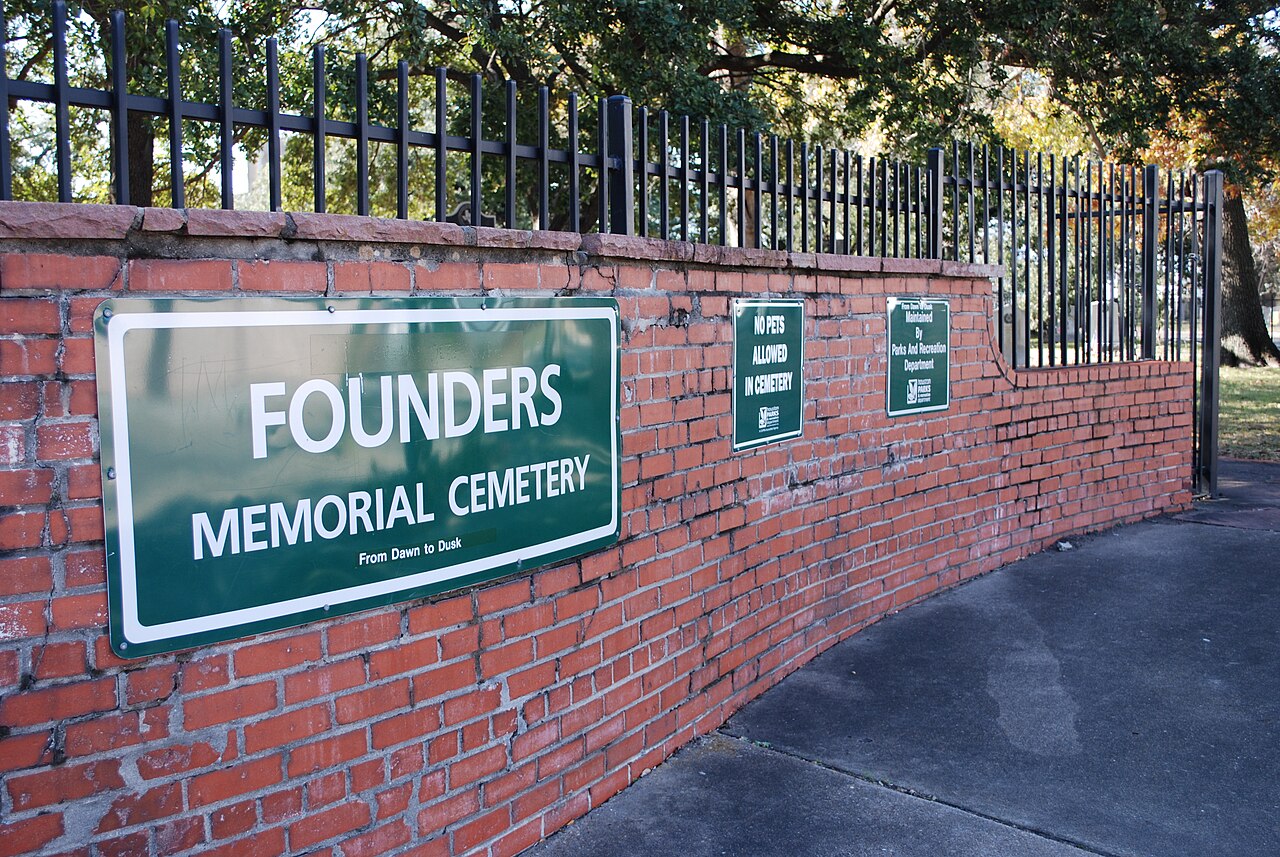
Donnellan Crypt at Founders Memorial Cemetery
- Protected
- Recorded Texas Historic Landmark
Built around 1850, the Donnellan Crypt at Founders Memorial Cemetery is the oldest above ground burial structure in Houston, located within the city's original cemetery established in 1836, the same year Houston was founded. Founders Memorial Cemetery contains the graves of numerous veterans of the Texas Revolution and other early Republic of Texas era settlers, making it one of the most historically significant burial grounds in the state. The vernacular masonry crypt reflects nineteenth century burial customs and construction techniques used by Houston's earliest European and American settler community. As the resting place of many of the city's founding generation, the cemetery and its crypt provide a direct physical connection to Houston's earliest years as a fledgling settlement along Buffalo Bayou.
Open profile & chat → - 2
1866 · Vernacular / hand-laid brick streets
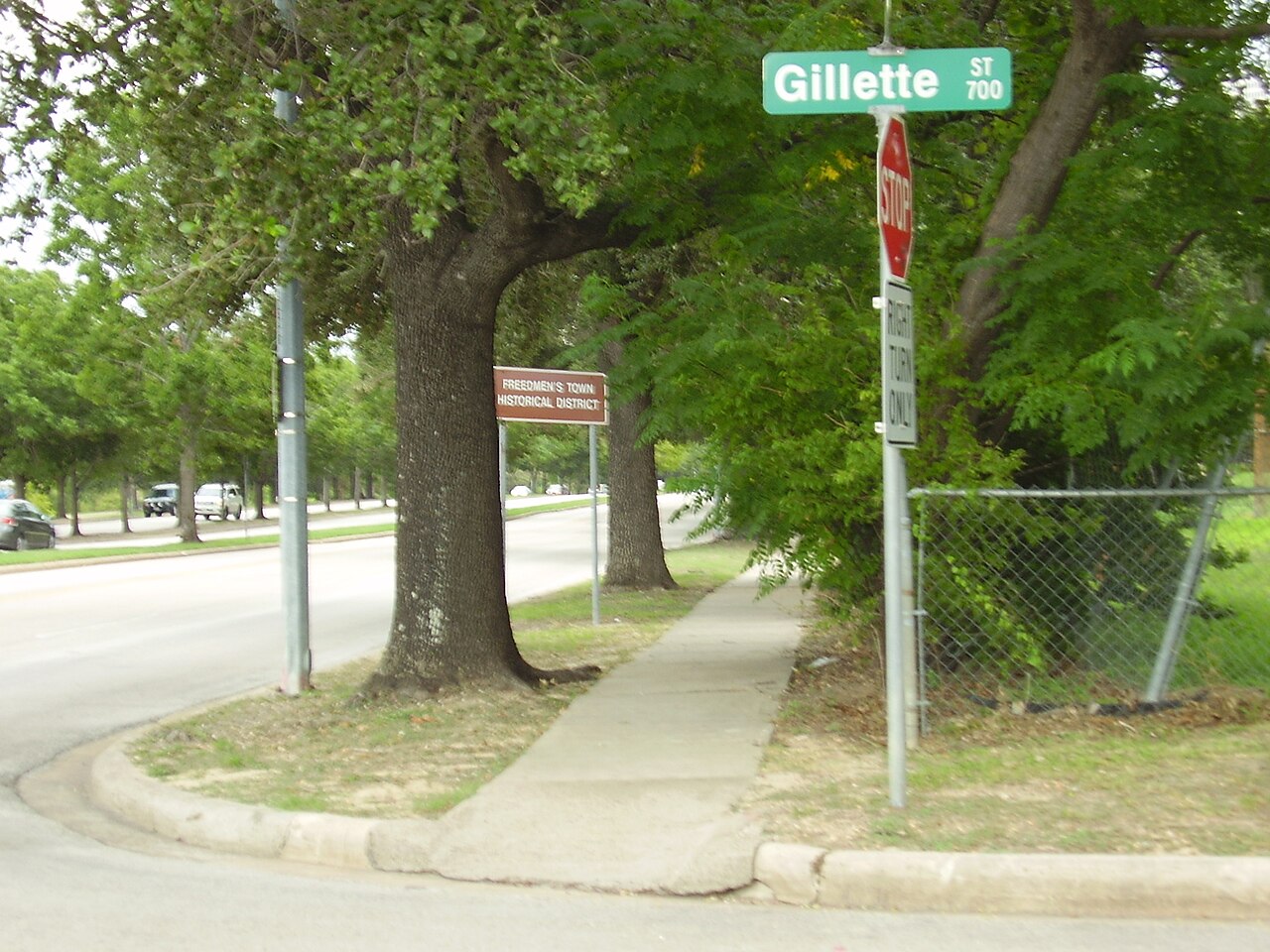
Freedmen's Town Historic District
- NRHP
Settled beginning in 1866 by formerly enslaved people following Emancipation, Freedmen's Town in Houston's Fourth Ward became one of the most historically significant Reconstruction era Black communities in the American South, developing its own churches, businesses, schools, and civic institutions. The neighborhood is distinguished by its hand laid brick streets, created by community members using bricks made locally, along with surviving shotgun houses and institutions such as the Rutherford B.H. Yates Museum, which preserves the history of a formerly enslaved family that became prominent local printers and civic leaders. Much of Freedmen's Town was demolished during twentieth century urban renewal projects and highway construction, making the surviving brick streets and remaining historic structures an increasingly rare and fiercely defended testament to Houston's African American history and the broader Reconstruction era experience across the South.
Open profile & chat → - 3
1926 · Collegiate Revival brick school
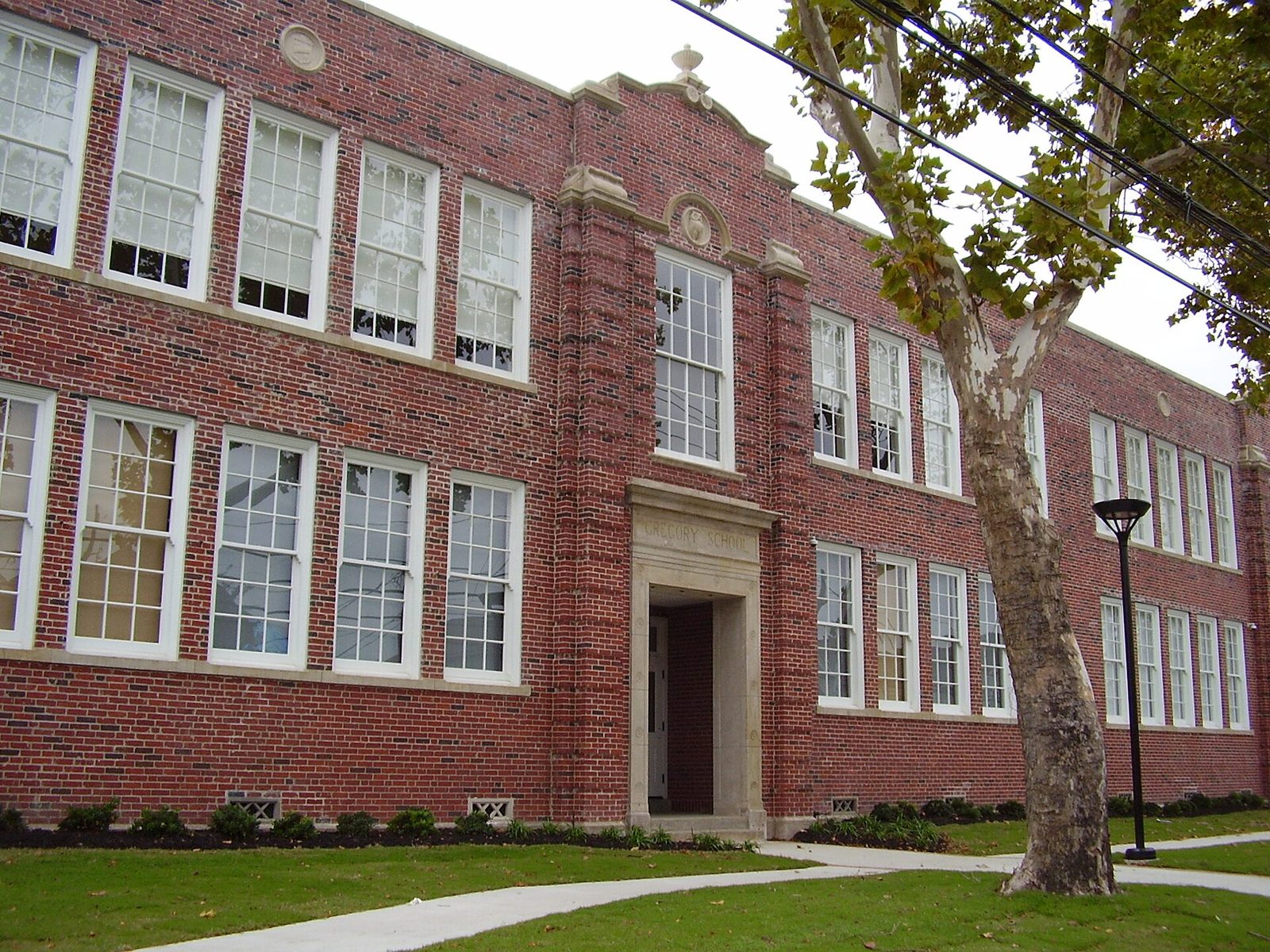
Gregory School
- NRHP
- Protected
- State Antiquities Landmark
The Gregory School was built by the Houston Independent School District in 1926 as an elementary school for Black children in the Fourth Ward, designed by the architects Hedrick & Gottlieb. It stands on the site of, and succeeded, the Gregory Institute, established in 1870 as the first public educational institution for African Americans in Houston. The two story building has a reinforced concrete frame clad in brick, with an H shaped plan of twenty classrooms opening off cross halls. It is a contributing building in the Freedmen's Town Historic District, listed on the National Register in 1985, was designated a State Antiquities Landmark in 1995, and became a City of Houston Landmark in 2003. After a full restoration by the City and the Houston Public Library, it reopened as the African American Library at the Gregory School, now the African American History Research Center, which includes a restored 1926 classroom.
Open profile & chat → - 4
1836 · Historic city cemetery
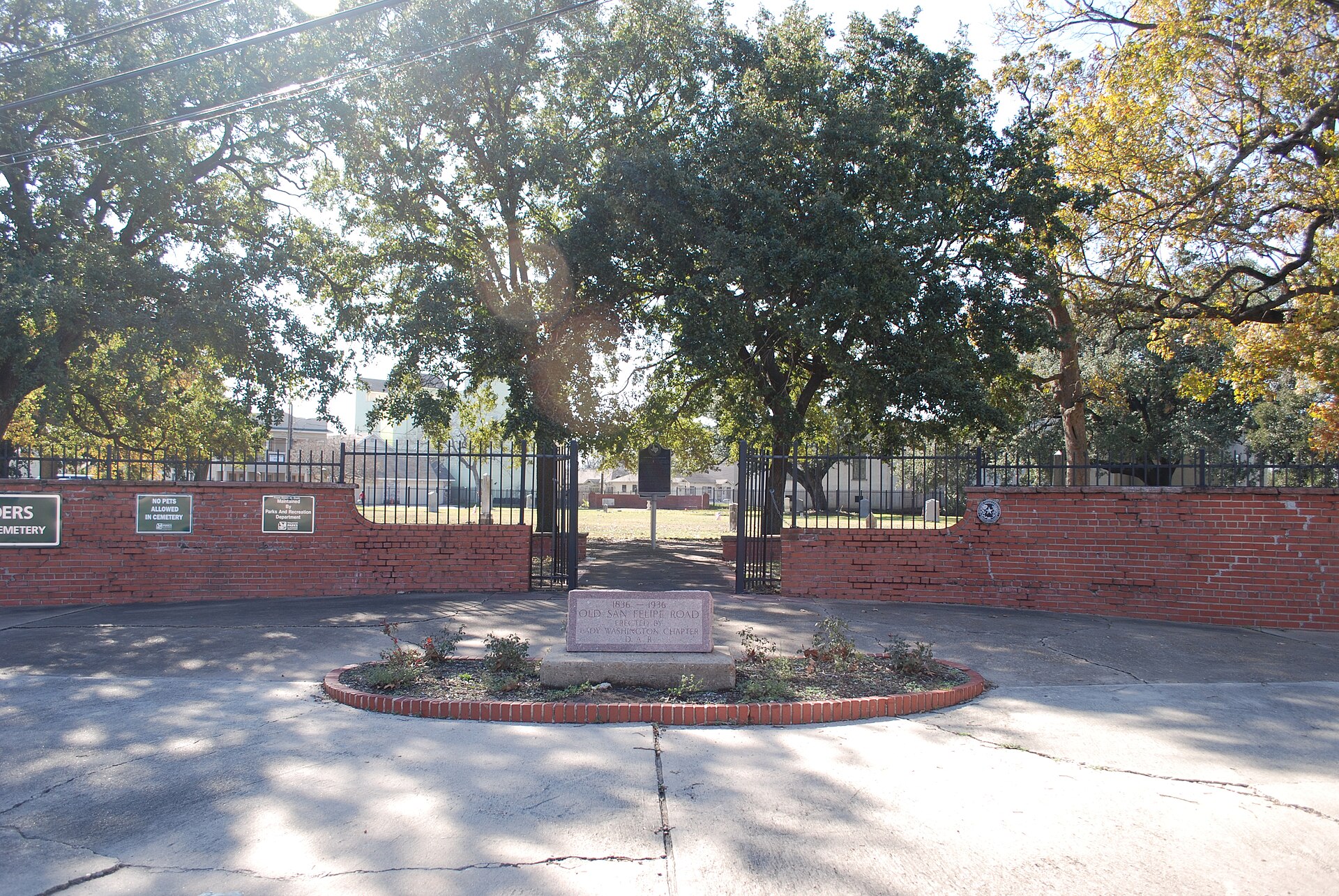
Founders Memorial Cemetery
- Protected
Founders Memorial Cemetery, also called Founders Memorial Park, is Houston's oldest cemetery. Originally the City Cemetery, it opened in 1836 about a mile beyond the edge of the new town, on a two acre site in what became the Fourth Ward. Many of those buried here died in the yellow fever, cholera, and smallpox epidemics of the 1800s. By 1840 the cemetery was nearly full and a second city cemetery was opened. Houston directories of the 1860s called it the old Methodist Cemetery, and by the late 1870s the city managed it. The last burial took place in 1949. John Kirby Allen, who co-founded Houston with his brother Augustus Chapman Allen in 1836, is buried here, as are other early residents of the Republic of Texas era. More than 130 individual graves had been identified as of 2020, and some graves are unmarked. The Texas Historical Commission designated it a Historic Texas Cemetery in 2005.
Open profile & chat →